


How a Chain Conveyor Streamlines Heavy-Duty Manufacturing
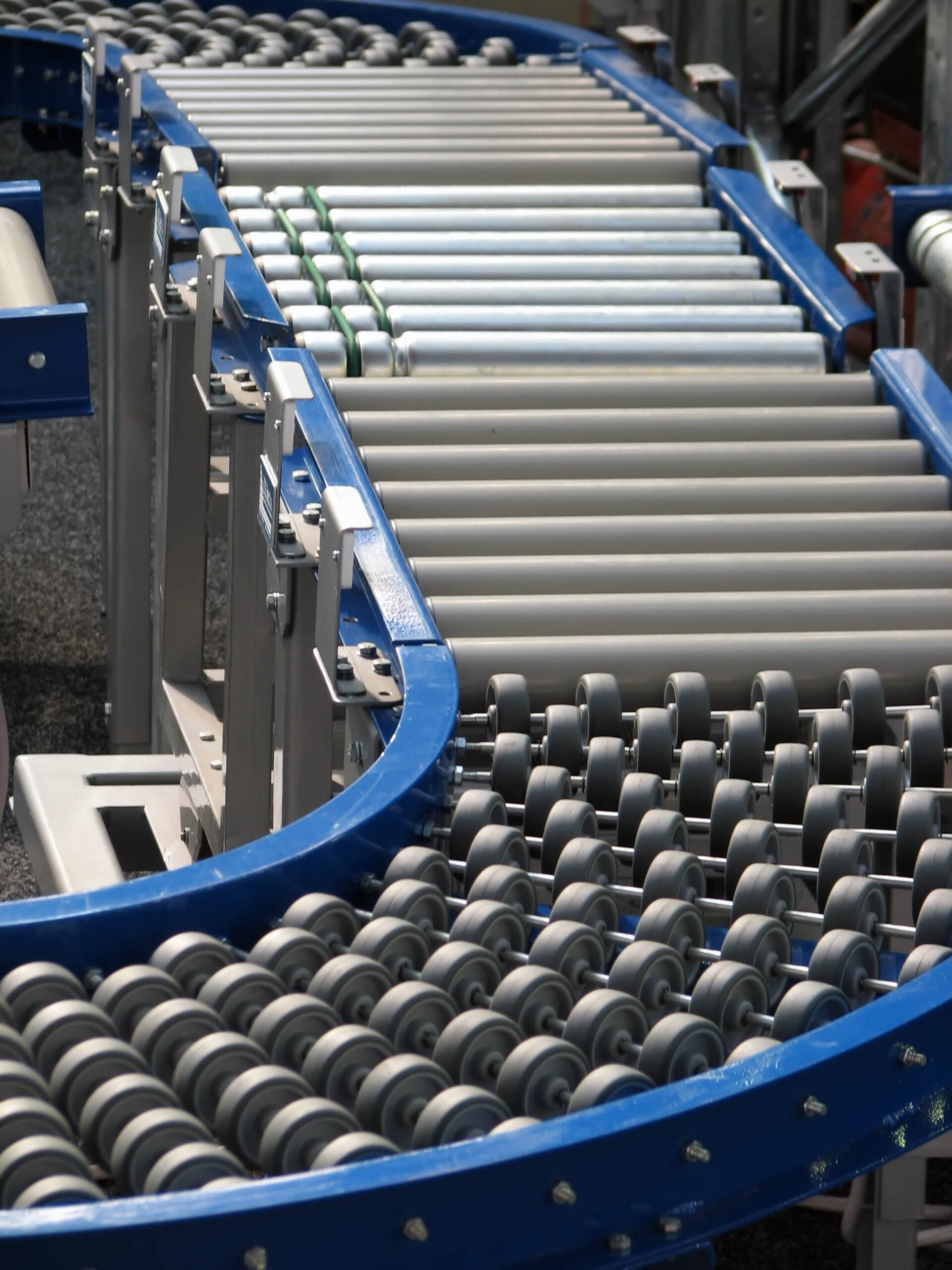
Heavy manufacturing facilities face continuous operational challenges when transporting bulky materials, hot forgings, and massive structural assemblies across the plant floor. Demanding production cycles require heavy-duty equipment capable of moving intense loads without stalling, breaking, or creating hazardous bottlenecks. An industrial chain conveyor serves as an indispensable workhorse in modern production environments, providing the mechanical endurance required to maintain consistent throughput. Integrating rugged conveying machinery into a facility transforms material handling, allowing heavy fabrication plants and industrial foundries to move workpieces smoothly between sequential workstations.
Standard conveying options often fall short when daily operations involve extreme weight, elevated temperatures, or abrasive environments that degrade standard belts. Selecting the proper transport mechanism prevents mechanical downtime and keeps skilled personnel focused on critical assembly tasks rather than manual material handling. Understanding how heavy-duty conveying systems function, along with their core structural advantages, empowers manufacturing leaders to make strategic operational improvements. Heavy fabrication lines, automotive plants, and metal processing facilities rely on dependable equipment to sustain high-volume output across demanding production schedules without unexpected system interruptions.
Understand Structure and Operation
A chain conveyor utilizes linked steel strands driven by heavy-duty sprockets to propel heavy items along a production line. The continuous strand loop operates through an electric motor coupled with durable gearboxes, delivering steady mechanical power to transport massive components across level paths or steep inclines. Plant engineers often select single-strand, double-strand, or triple-strand layouts depending on the specific weight and dimensions of the conveyed items. Because the drive sprockets engage directly with chain links, the system maintains positive mechanical movement without slipping under extreme unit loads.
The underlying structure of these systems relies on all-welded, heavy-gauge steel frames engineered to absorb significant mechanical impact and prevent structural deflection. Internal components, such as hardened sprockets, heavy steel rollers, and heat-treated pins, withstand abrasive grit, metal scrap, and persistent friction. Unlike slider beds or lightweight roller systems that bow under intense pressure, these rugged machines distribute substantial tonnage evenly across the structural frame. This rigid construction prevents mechanical binding, reduces structural fatigue, and ensures continuous transport through punishing manufacturing environments year after year.
Enhance Capacity and Durability
The primary advantage of deploying a chain conveyor in heavy manufacturing centers on superior load capacity and physical endurance. High-strength steel chains move heavy castings, loaded pallets, and raw structural steel that would rapidly destroy standard fabric or rubber belts. The robust metal links do not stretch or tear when subjected to sharp edges, heavy impact, or falling debris from stamping presses. This physical toughness minimizes conveyor breakdown, keeping production lines operating continuously through multi-shift schedules without unexpected halts for belt repairs.
Beyond handling high tonnage, these heavy-duty units withstand hostile industrial environments that feature elevated operating temperatures, oil, quenching fluids, and chemicals. In forge shops, foundries, and heat-treating operations, red-hot workpieces can ruin alternative conveying mechanisms instantly, but hardened steel transport surfaces absorb thermal shock without warping. Sealed bearing assemblies and resilient wear tracks protect moving elements from airborne contaminants and cooling fluids. This rugged durability ensures that material handling equipment maintains structural integrity over decades of rigorous service.
Improve Efficiency and Safety
Implementing a chain conveyor within a production workflow eliminates manual material transfers and reduces reliance on forklifts across crowded plant floors. Automated mechanical transport moves massive assemblies from staging areas directly to active workstations, ensuring steady arrival schedules for assembly personnel. Eliminating transport delays helps facilities maintain consistent cycle times and steady production flow across every shift. By streamlining how heavy parts travel between processing stages, manufacturing facilities achieve higher daily output and steady operational pacing.
Workplace safety improves substantially when facilities replace manual heavy lifting and crane transfers with dedicated mechanical conveyors. Employees avoid physical strain, crushing hazards, and repetitive motion injuries associated with maneuvering unwieldy structural materials by hand. Dedicated conveying paths also clear factory aisles of excessive forklift traffic, reducing collision risks and floor congestion. Enhancing physical safety allows manufacturing teams to concentrate on precision fabrication, inspection, and assembly while heavy items move securely along predetermined paths.
Execute Installation and Maintenance
A dependable installation begins with a rigorous evaluation of plant floor space, support foundations, and workflow routing requirements. Floor surfaces must provide level, solid anchoring points to prevent frame misalignment that could induce premature chain wear or motor strain. Experienced rigging teams align the drive sprockets, tensioning assemblies, and structural sections according to exact engineering tolerances. A properly leveled chain conveyor operates with balanced tension across all strands, minimizing drive motor strain and extending the operating life of internal bearings.
Routine maintenance practices ensure that heavy-duty material handling machinery delivers dependable service across extended operating schedules. Maintenance technicians should inspect chain strands for link wear, check sprocket tooth engagement, and verify proper tension during scheduled service windows. Applying proper industrial lubrication to moving pins and bushings reduces friction, eliminates metal-on-metal binding, and lowers heat generation. Promptly adjusting take-up units and replacing worn sprockets prevents sudden chain binding, keeping the manufacturing plant running without unscheduled stoppages.
Support Assembly and Fabrication
Heavy industrial facilities rely on a chain conveyor to coordinate complex operations across automotive assembly, heavy equipment fabrication, and steel production plants. In vehicle assembly operations, heavy-duty strands transport engine blocks, structural chassis, and complete vehicle bodies through progressive weld and assembly cells. The positive engagement of the drive sprockets allows precise indexing, enabling automated equipment and assembly technicians to complete complex tasks on stationary or slow-moving workpieces with consistent accuracy.
In structural steel plants and heavy equipment manufacturing facilities, these systems transport steel coils, structural beams, and thick plate weldments between processing stations. Metalworking facilities utilize chain-driven handling to feed plate shearing stations, stamping presses, and machining centers without crane bottlenecks. Moving massive materials along continuous tracks prevents damage to finished surfaces and preserves part orientation throughout multistage finishing operations. This reliable transport capability makes heavy-duty conveying vital across major fabrication facilities.
Anticipate Growth and Expansion
Global demand for robust material handling systems continues to expand as worldwide industrial manufacturing expands and upgrades core production facilities. According to Cognitive Market Research, the Asia-Pacific territory accounts for a dominant 34.33% share of the worldwide conveyor industry. Industrial expansion across heavy manufacturing sectors highlights the universal need for durable transport machinery capable of supporting heavy industrial production. As industrial facilities modernize operations, dependable conveying equipment remains essential to meeting rising global production quotas.
Custom engineering allows manufacturers to adapt a chain conveyor to changing plant layouts, evolving product lines, and heavier component requirements. Manufacturers frequently require specialized strand widths, integrated turntables, right-angle transfers, and custom fixture attachments to accommodate unique part geometries. Investing in modular, heavy-gauge conveying equipment ensures that an industrial facility can expand production lines without replacing foundational material handling systems. Flexible, custom-built transport systems help industrial operations adapt to future manufacturing demands.
Heavy-duty manufacturing requires reliable, rugged equipment capable of moving intense loads across harsh industrial environments without operational failure. Installing a chain conveyor provides the high weight capacity, structural rigidity, and smooth material flow needed to eliminate bottlenecks across demanding production facilities. From automotive assembly lines to foundries and structural steel fabrication plants, heavy-duty mechanical transport keeps materials flowing securely and efficiently.
Investing in purpose-built material handling equipment protects workforce safety, optimizes operational cycle times, and supports continuous plant productivity. Selecting all-welded construction and time-tested mechanical components ensures that industrial production lines withstand heavy industrial wear. Contact us at Titan Conveyors today to engineer and build custom, rugged conveying systems that keep your manufacturing operations moving forward.